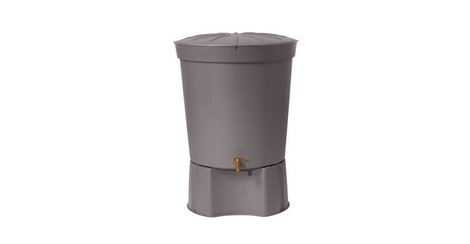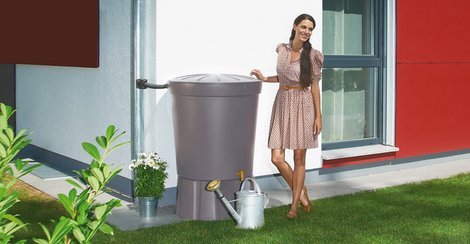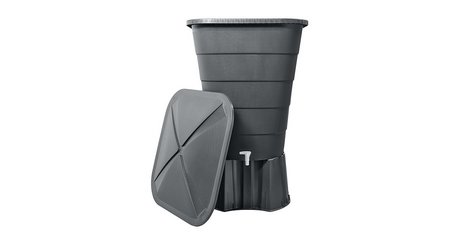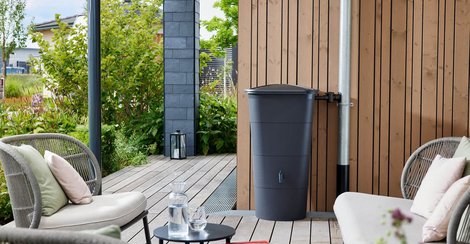
Water butts for rainwater storage
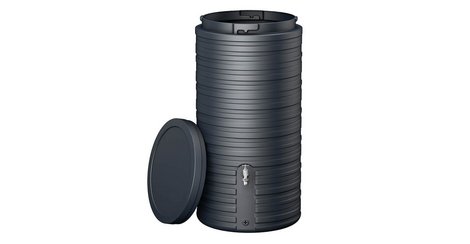
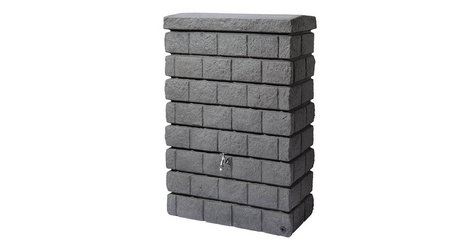
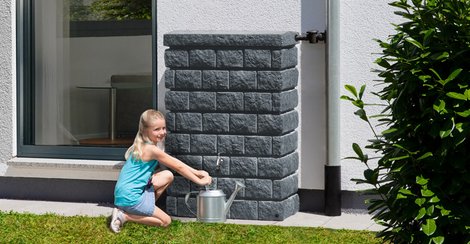
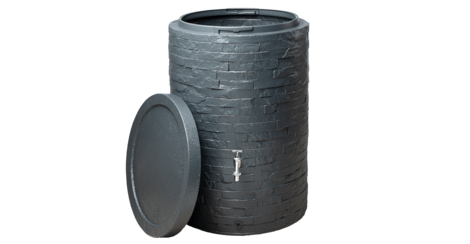
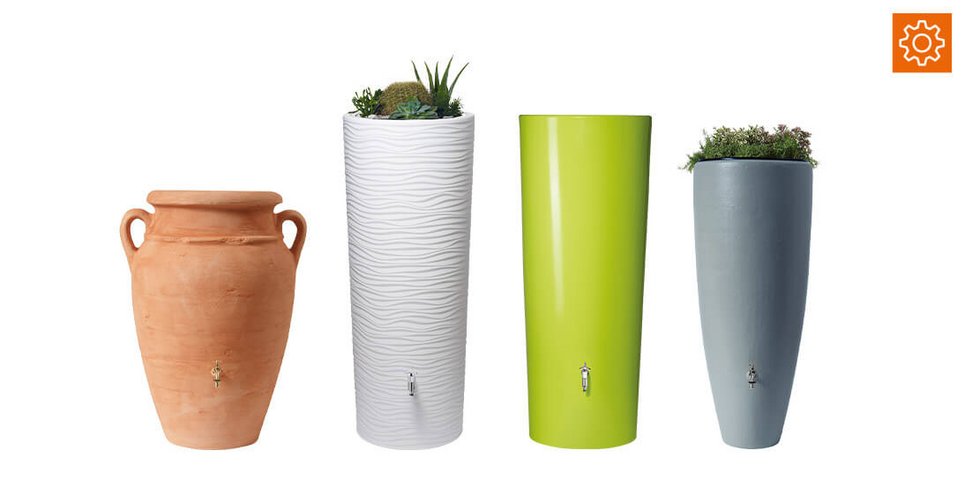
Free, environmentally friendly, and completely natural—use the rainwater that falls and collect it in a water butt that suits your garden. Whether modern, classic, with a special stone look, or plantable: our water butts are more than just practical—they add stylish accents to your garden. With a water butt, you can collect free rainwater, conserve valuable drinking water resources, and reduce your water costs—ideal for watering vegetables, garden plants, or raised beds.
Our product advisor
Need help making a decision? Try our product advisor. With just a few clicks, you can find the right water butt for your garden and your needs.
How to get water from your roof into your water butt
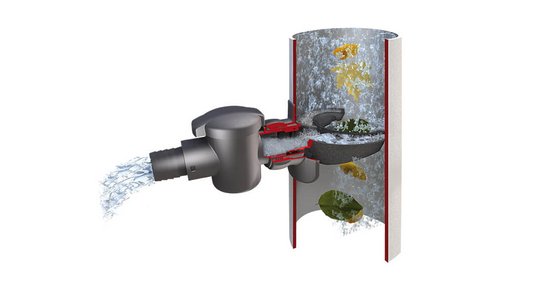
Collecting rainwater from your downpipe is easy—just connect a downpipe filter to a water butt.
Blog posts on the topic of rainwater
In our blog, you will find a wide variety of posts on the topic of rainwater, as well as everything else related to gardening.

The most important questions about rainwater butts
-
How do I connect a rainwater butt to the downpipe?
The easiest way to connect a rainwater butt to the downpipe is to use a downpipe filter/rainwater collector. This should be positioned in the downpipe at approximately the same height as the maximum water level in the container to be connected. To do this, either saw out a section or drill a hole, depending on the product used; the collector is then inserted and connected to the rainwater butt via a hose. When the tank is full, the inflow stops automatically and any excess water flows back into the downpipe. Installation takes less than 30 minutes using standard tools.
-
Which shape is best – round, square or a narrow wall-mounted tank?
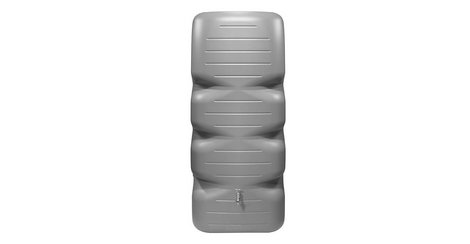
The best type of rainwater tank depends on the space available as well as personal preferences: round rainwatertanks are the classic choice, rectangular models make efficient use of space in corners, and narrow wall-mounted tanks, just 30 to 50 cm deep, are particularly suitable for tight spaces right up against the house wall, a shed, a garden shed or a greenhouse… Despite their shallow depth, wall-mounted tanks hold around 300 to 400 litres and are particularly suitable for terraced houses or small city gardens. For freestanding installation in the garden, round or square shapes are usually more practical.
-
Which rainwater butts will look good in my garden?
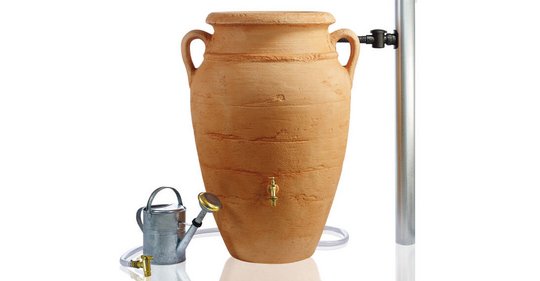
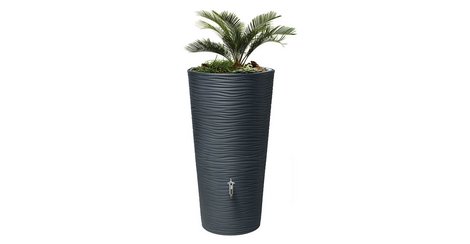
Which rainwater tank looks best in your garden depends on the style of your house and the plants you have: anthracite and grey have a modern feel, sandstone and terracotta shades have a Mediterranean feel, whilst classic green blends in well with hedges and flowerbeds. Modern plastic barrels realistically replicate the textures of stone, wood or slate. Models with an integrated planter on top blend in almost completely with the garden surroundings. Wall-mounted tanks in column or amphora shapes are ideal for narrow spaces.
-
How can I secure my rainwater barrel to prevent it from tipping over and to keep it safe for children?
To prevent a rainwater butt from tipping over, ensure it is placed on a level, stable surface. When full, rainwater butts are stable due to their own weight; however, lighter plastic butts and narrow wall-mounted tanks with a low empty weight should also be secured to a stable surface using safety straps or wall brackets. For child safety, a securely bolted lid is essential, as even 10 cm of water can be dangerous.
-
What is the best material to use for a rainwater tank?
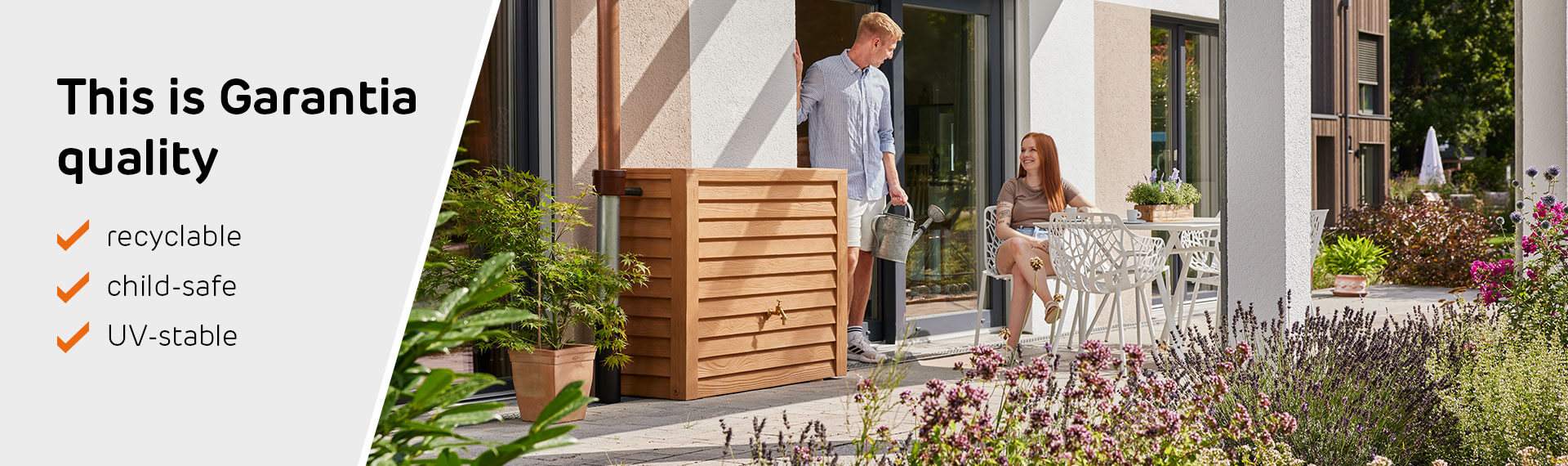
Plastic rainwater barrels, usually made of polyethylene, are generally the most practical solution, as they are UV-resistant, frost-proof down to around −20 °C and fully recyclable. They are durable, come in a variety of designs and require no additional maintenance. Wooden barrels have a natural look, but need to be regularly treated with water or oil; metal barrels can rust; and stone containers are difficult to assemble.
-
What can you do about mosquito larvae and worms in your rainwater butt?
The most effective way to combat mosquito larvae in a rainwater butt is to use a tight-fitting lid that completely prevents eggs from being laid. If there are already larvae in the water, organic BTI tablets – based on Bacillus thuringiensis israelensis – will kill them within 24 to 48 hours without harming humans, animals or plants. A fine-mesh net with a mesh size of less than 1 mm over the inlet also keeps worms and insects out. Once a year, the barrel should be completely emptied and rinsed out with clean water.
-
How do I connect several rainwater butts together?
Several rainwater barrels can be connected using a connector set. The placement varies depending on how you wish to draw off the rainwater. If the water is to be drawn off via a tap, it makes sense to fit the tap to the bottom of the barrel. This ensures that the water level remains constant and the water can be easily drawn off via the tap. Connecting the outlet to the top of the tank is particularly useful if the rainwater is to be scooped out from the top of the tank, for example using a watering can.
-
How can I repair a leaky rainwater butt?
Depending on the nature of the damage, a leaking plastic rainwater butt can be repaired using two-component adhesive for polyethylene, a PE repair kit or welding wire in conjunction with a soldering iron. The affected area must first be dry, clean and free of grease. Small cracks up to about 5 cm in length can be permanently sealed; for more extensive damage, replacement is usually the more cost-effective option. If the tap is dripping, simply replacing the rubber seal – which costs just a few euros – is often all that is needed.