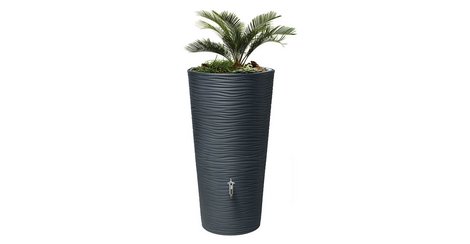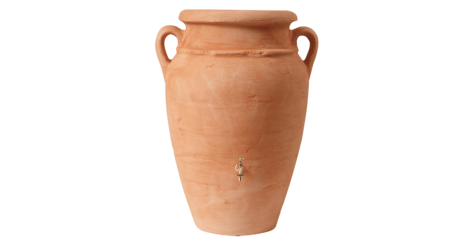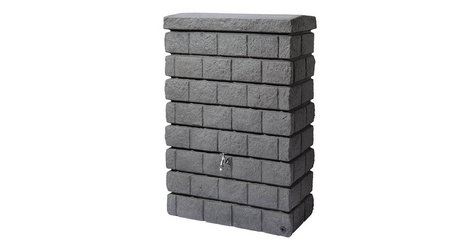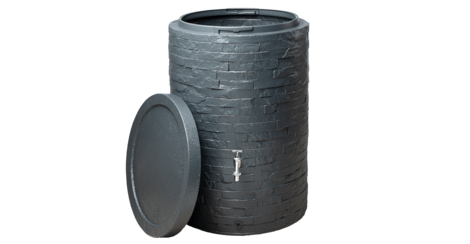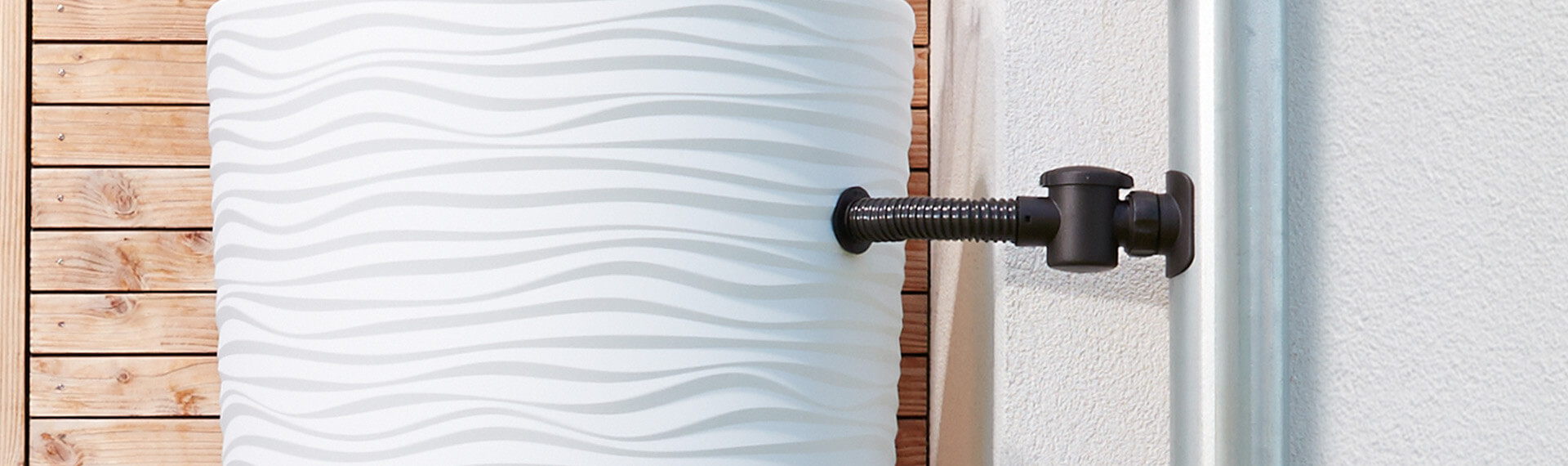
Rainwater collector for your overgrounud rainwater tank
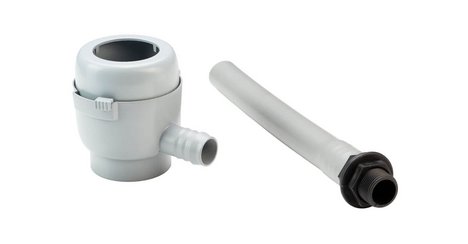
Whether for small or large roof areas, our rainwater collectors and downpipe filters enable the simple and reliable use of rainwater. They reliably keep out leaves and dirt, ensure high water quality and channel excess water in a controlled manner into the downpipe. This ensures that collected rainwater is used to the full and that rainwater tanks are conveniently integrated into existing downpipe systems.
Our rainwater collectors – installed in 5 minutes
To install our rainwater collectors, there is no need to remove the downpipe or cut a section out of it. Simply drill the appropriate hole, insert the rainwater collector, and the installation is complete. A quick and easy way to collect rainwater.
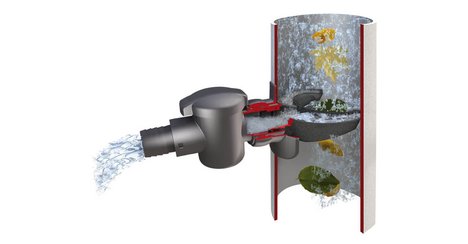
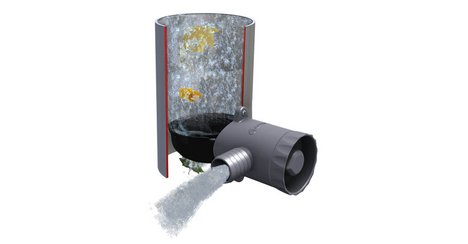
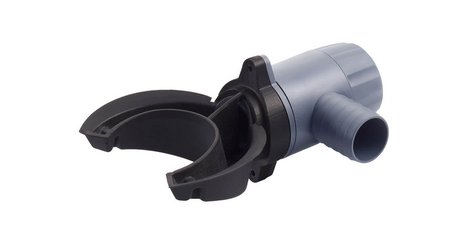
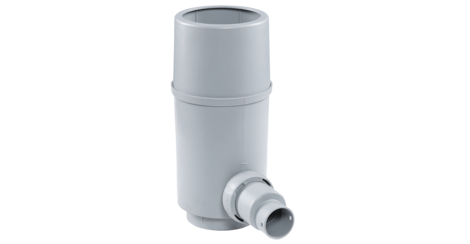
For maximum water harvest
For large roofs and maximum water harvest. Our rainwater collectors, designed for installation in the downpipe, make the most of your rainwater runoff. The Regendieb Pro, for example, supplies water to large overground rainwater tanks. It is suitable for roof areas of up to 200 square metres. Say goodbye to rain flaps!
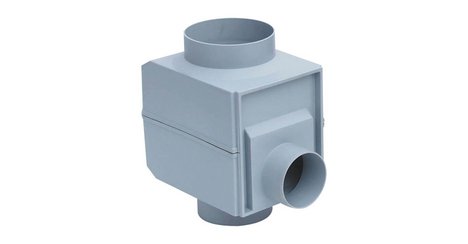
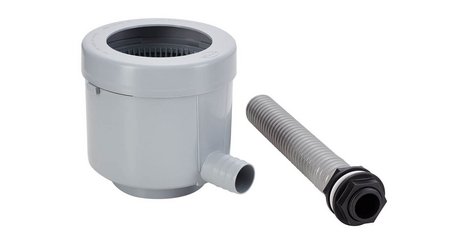
Rainwater collectors for square downpipes
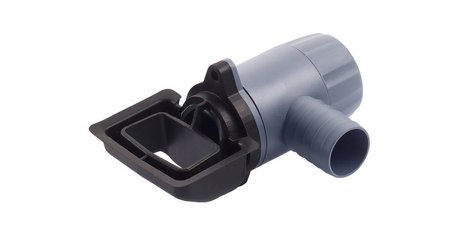
Do you have a square downpipe? There are solutions for this as well. Our downpipe filters/rainwater collectors have been specially designed for this purpose. Make the most of your square downpipe and collect precious rainwater.
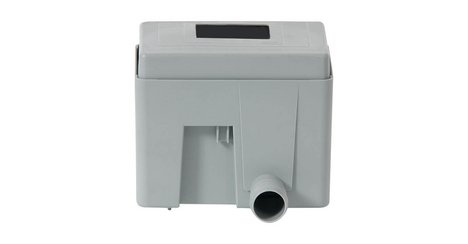
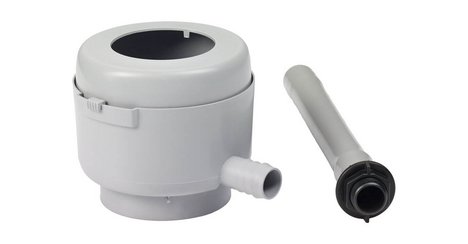
Our foliage guard
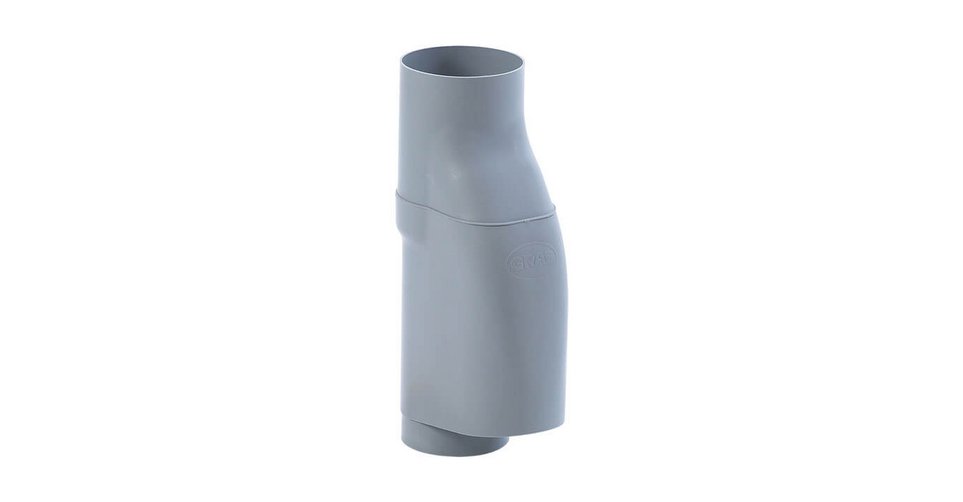
Efficient solutions for areas with high levels of leaf fall: our foliage guard ensures reliable water drainage, even with large quantities of leaves and coarse debris. The lateral discharge of debris from the housing effectively reduces blockages and ensures long-term drainage performance. Ideal for use in environments with high levels of leaf fall.
Questions and answers about rainwater collectors
-
How do I fit a rainwater collector, and can I retrofit one?
In most cases, a rainwater collector can be easily retrofitted to an existing downpipe without any prior knowledge. To do this, either a small hole is drilled into the existing downpipe (as with the Speedy, Speedy Flexx and Rapido models) or a suitable section is sawn out and the rainwater collector fitted in its place. It is then connected to the rainwater butt via a hose. No additional specialist tools are usually required; installation takes around 5 to 30 minutes, depending on the model and installation situation. Take a look at how to install the Speedy downpipe filter.
-
How does a rainwater collector work?
A rainwater collector is fitted directly onto the downpipe and channels the rainwater running down it into the rainwater tank. Leaves and coarse debris are carried away through the downpipe. When the rainwater tank is full, it does not overflow; any excess rainwater simply continues to drain away through the downpipe.
-
What size is my downpipe?
-
Will a rainwater collector fit any downpipe?
No, a rainwater collector will not automatically fit every downpipe, as both the diameter and shape vary depending on the model. Round downpipes in Germany typically have a diameter of 70–100 mm, while smaller pipes from 50 mm upwards require special models (such as the ‘Füllautomat Mini’). Separate versions are also available for square downpipes.
Before purchasing, you should measure the shape and diameter of the existing downpipe and compare them with the technical specifications of the relevant rainwater collector. The distance between the wall and the downpipe is also important, as some models require a minimum amount of space for installation.
-
I have a square downpipe – which rainwater collectors are suitable for this?
Square downpipes require special rainwater collectors designed to fit the relevant pipe dimensions. At Garantia, you will find the following products for this purpose:
-
What happens when the rainwater tank is full?
Once the overground rainwater tank is full, any further rainwater flows directly down the downpipe. This prevents any more water from entering the tank and stops the rainwater tank from overflowing (unlike when a rain flap is used).
To ensure optimal performance, the rainwater collector should be installed at the same height as the highest water level in the rainwater tank. The pipe leading to the tank should run straight and horizontally.
-
What distance should be maintained between the rainwater collector and the rainwater tank?
The required distance depends on the specific rainwater collector and its maximum hose length, but should generally be kept as short as possible. The rainwater tank should be positioned as close as possible to the downpipe so that the connecting hose can be laid short, without kinks and horizontally. This ensures that the rainwater flows unhindered and reliably into the rainwater tank.
-
Does a rainwater collector also filter out fine dirt and pollen?
A rainwater collector mainly traps leaves, moss and coarse dirt particles. Very fine pollen or fine suspended particles may find their way into the rainwater tank. However, this water quality is sufficient for watering the garden.
-
Does a rainwater collector need to be taken down in winter?
A rainwater collector does not usually need to be dismantled in winter, but it should be set to the winter position and emptied before the frost sets in. This prevents water in the system from freezing and causing damage to the rainwater collector, connecting hose or rainwater butt. In addition, the connected rainwater tank should also be emptied, and the inlet or drain plug opened, to ensure that any residual water in the tank or pipework does not freeze and cause cracks.
-
What are the benefits of a rainwater collector with a filter?
A rainwater collector with a filter automatically collects rainwater whilst reducing the amount of dirt in the rainwater tank. Leaves, moss and other coarse particles are trapped as the water flows in. This improves water quality, reduces the need to clean the rainwater tank and makes it easier to use the collected rainwater. This is also the major advantage over a rain flap, as with a rain flap the water flows into the rainwater tank along with any dirt.
-
How often does a rainwater collector need to be cleaned?
There is no one-size-fits-all answer to this question, as it depends on many external factors. Generally speaking, it is important to check the rainwater collector regularly. How often this should be done depends mainly on the amount of leaves, flowers and dirt in the surrounding area. As a rule, it is sufficient to remove the filter insert once or twice a year – for example, in spring and autumn – and clear it of any build-up; however, in areas with lots of trees, it is advisable to check it more frequently, several times a year, particularly in autumn.
-
How much water do rainwater harvesting systems collect?
It is not possible to state a universal water yield for rainwater collectors, as this can vary depending on local conditions. The following factors, for example, play a role in achieving the optimum water yield:
- the degree of contamination in the rainwater
- the position of the rainwater collector within the downpipe
- whether the filter is regularly maintained/cleaned
-
Why does my rainwater collector collect so little water?
There may be various reasons for this. First, check that the downpipe filter is fitted correctly. The filter should fit snugly all the way round the downpipe.
Next, check the alignment of the downpipe. If the downpipe is tilted slightly to one side, rainwater may tend to run down that side rather than being distributed evenly around the circumference.
The orientation of the roof and the layout of the downpipes can also affect water drainage. You should therefore check whether a similar volume of water is draining from all downpipes or whether certain areas of the roof are bearing a significantly heavier load.
Points to check:
- Is the downpipe filter fitted correctly and tightly against the downpipe?
- Is the downpipe aligned straight or tilted to one side?
- Is the rainwater distributed evenly across the existing downpipes?
- Could the roof pitch, roof orientation or structural conditions affect water drainage?
- If a filter is fitted, it should be checked regularly for blockages.