Soil health: Five tips for healthy soil
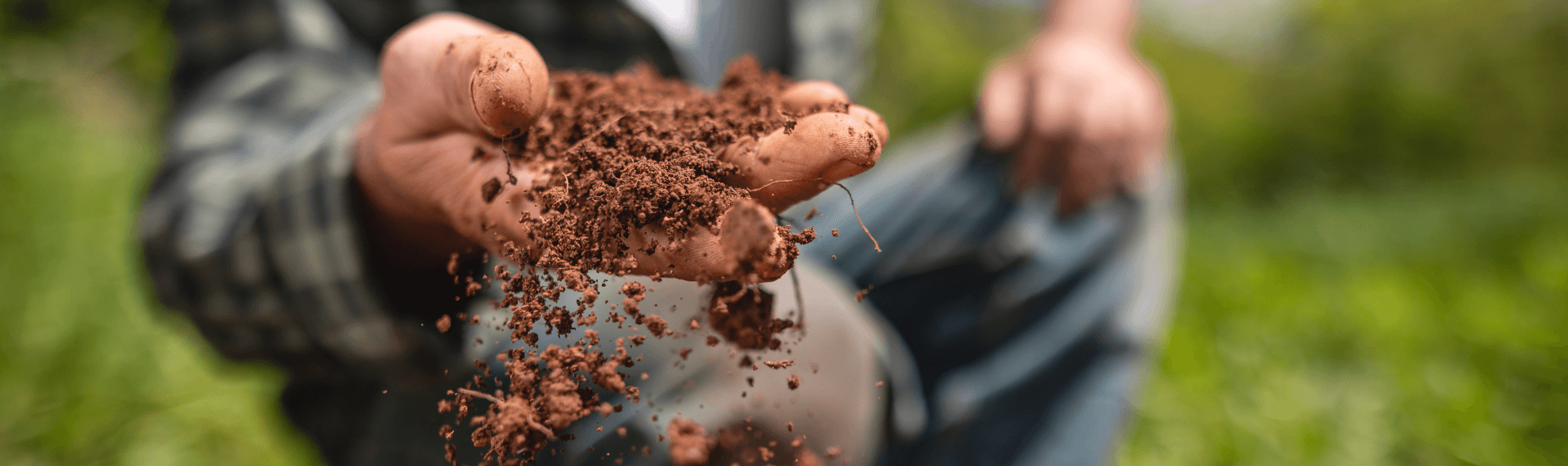
Some of their roots extend several metres into the ground and absorb nutrients. That’s why apple trees, magnolias, rose bushes, tulips and the like need good soil. The technical term for this is ‘soil health’. It doesn’t matter whether you’re talking about a colourful cottage garden, a purely functional kitchen garden or a bed of wonderfully fragrant roses. And the best thing is: you can improve the health of the soil in your own garden not only using simple methods, but also at little cost.
These five tips will help your soil and encourage your plants to grow better:
1) Sow clover or lupins, as they act as vitamin bombs for the soil:
Through their roots, they enrich the soil with nitrogen, which benefits all the plants in the surrounding area. Lupins also have deep-reaching roots that loosen the lower layers, and clover is a wonderful food source for many native wild bees, bumblebees and beetle species.
2) Mulch exposed soil, for example around fruit trees or ornamental shrubs:
This protects it from drying out. Organic material such as leaves, straw or shredded garden waste is best – feel free to mix them together. Mulch keeps the soil cool for longer in hot weather and releases its heat slowly afterwards. This extends the growing season.
3) Embrace diversity:
The more varied the mix of plants, the better it is for soil and plant health. When different plants grow alongside one another in a balanced way, they can benefit from each other by jointly warding off pests, preventing diseases, providing shade and making the best use of nutrients. This is chemical-free plant protection that also benefits all the other plants in the surrounding area. It also creates a wide range of food sources for countless insects, lizards, hedgehogs and birds.
4) Collect kitchen and garden waste to make compost:
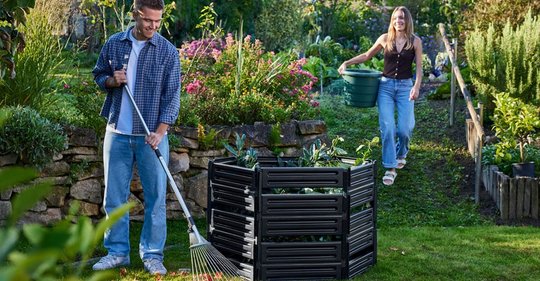
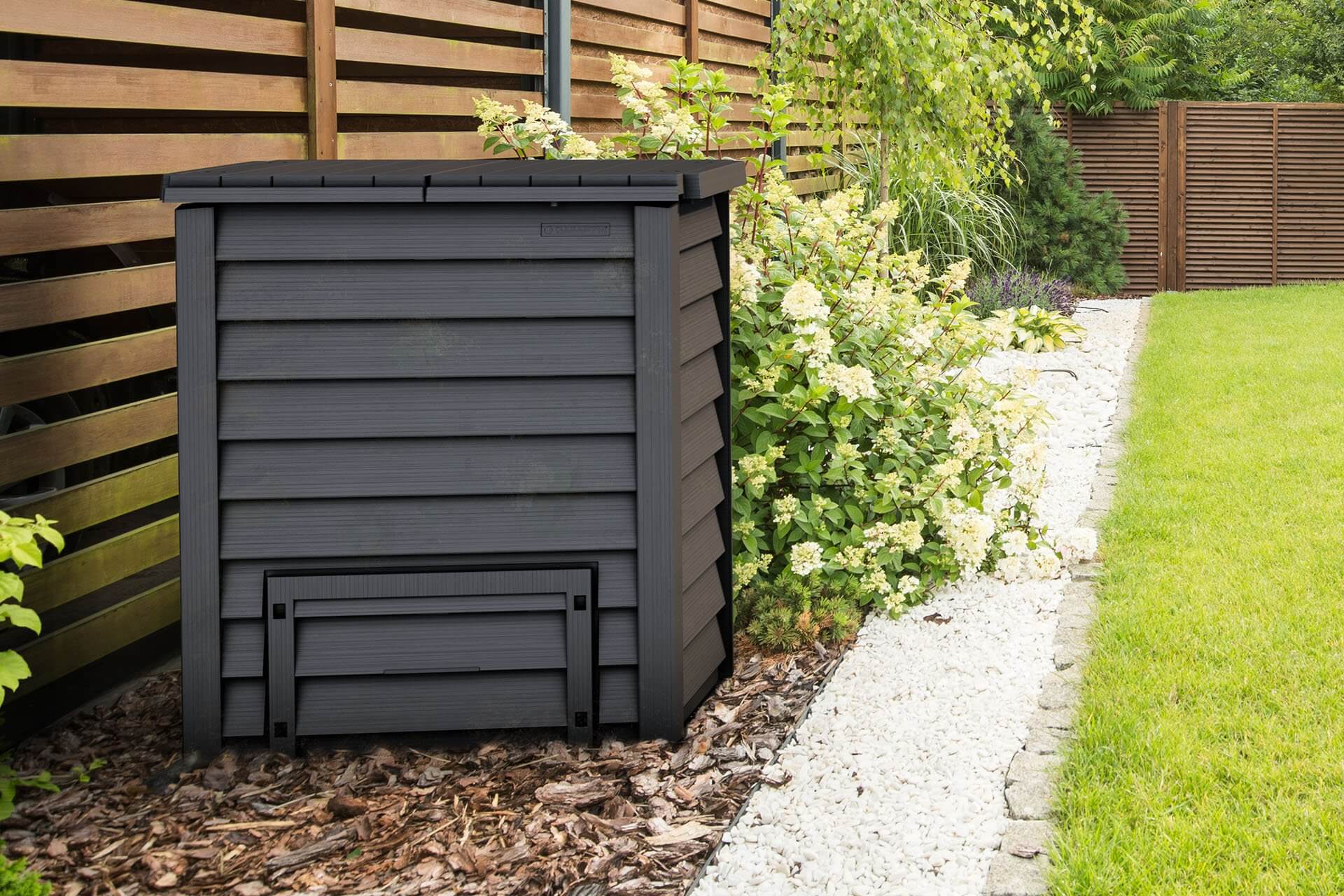
It does take a bit of time – usually nine to twelve months – but compost is a perfect, nutrient-rich fertiliser. Depending on its composition and intended use, you should sieve it before applying it.
5) Use rainwater for watering:
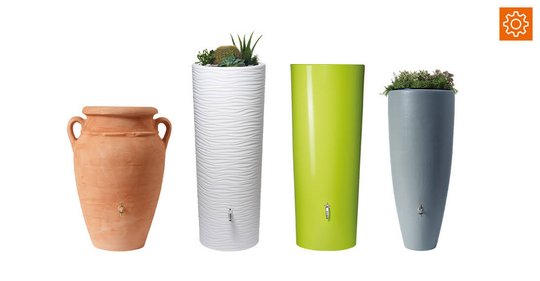
Most native plants can tolerate long, hot summer days, provided there aren’t too many in a row. Otherwise, water them regularly to prevent them from drying out. Rainwater is free, conserves resources and, thanks to its mineral composition, is ideal for natural growth and thriving in the garden.
Soil health is a long-term project, but all the more important for it. Not every measure will have an immediate effect in the next growing season or flowering period. However, treating the soil with care lays the foundations for the future, whether you want to harvest tomatoes or strawberries, grow fragrant roses or enjoy crisp apples straight from the tree. For those who want to know more: specialist shops stock handy kits and specialised measuring devices that can be used, for example, to determine the pH level or measure the soil’s moisture content. This makes it easier to choose suitable plants or provides guidance on what would benefit the soil in the long term. After all, as Goethe is said to have once remarked, ‘Good things take time’ in the garden.