Pruning in late winter: how to do it right
Late winter is the perfect time for pruning! Find out which trees and shrubs you can prune in late winter – plus tips on how to use the clippings sustainably.
Why is pruning in winter so important?
Winter is the dormant period for many trees and shrubs – which is exactly what makes it the ideal time for pruning. While the plants are not putting any energy into growth or flowering in January/February, pruning wounds can heal better and the plant is optimally prepared for the coming season. In addition, the structure of the trees and shrubs is now clearly visible, as there are no leaves to obscure the view.
Which shrubs and trees should be pruned in late winter?
Late winter is the ideal time to prune many plants, as they are dormant and the branch structure is clearly visible without foliage. Fruit trees such as apple, pear and quince benefit from structural or thinning pruning at this time. Berry bushes such as blackcurrants and gooseberries can also be thinned out in February. Summer-flowering ornamental shrubs such as butterfly bush can be pruned back vigorously, but early bloomers should only be pruned after flowering. Hedge plants can also be pruned back heavily until the end of February – after that, bird protection applies. Robust deciduous trees such as beech, lime and elm can also be pruned during this period, preferably on frost-free, dry days. Lavender also needs to be pruned in late winter: between the end of February and mid-March, the old flower shoots are cut back to short stubs so that the semi-shrub remains compact and sprouts vigorously in spring.
How should you go about pruning?
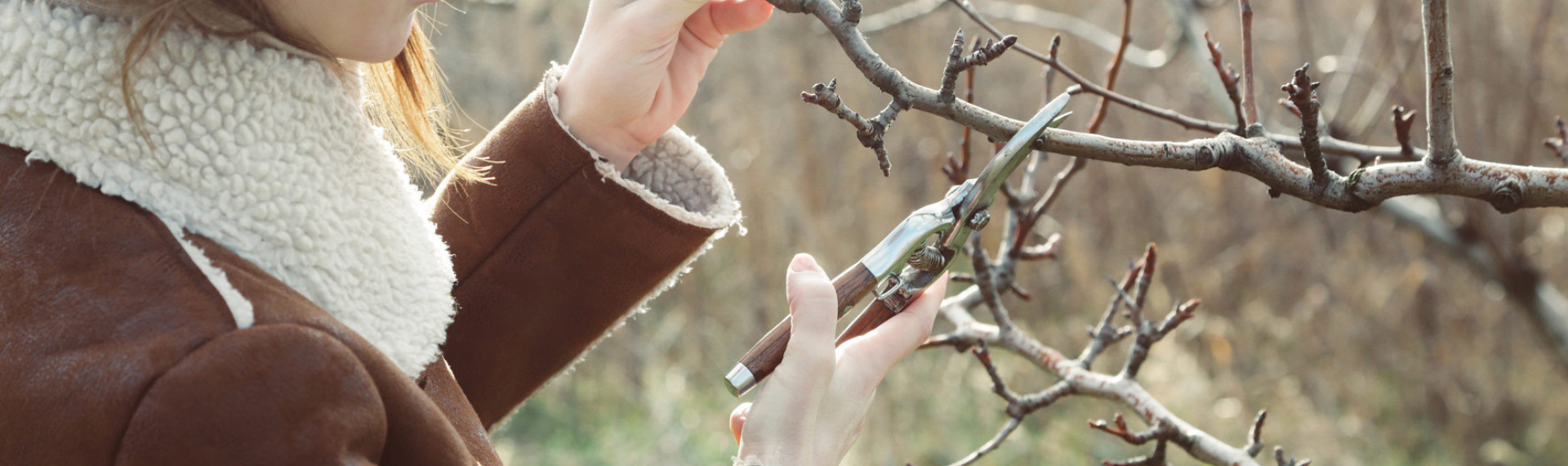
Before you start cutting, make sure you have clean and sharp tools. Clean and disinfect shears and saws to prevent the spread of disease. A smooth cut is important because it helps wound healing and protects your plants.
Pruning tips for beginners:
- Pay attention to the weather: Only cut on frost-free, dry days.
- Remove dead, diseased or damaged wood first, as this reduces the risk of disease and relieves stress on the plant.
- Less is more: it is better to make small corrections regularly than to make radical cuts.
- If you are unsure: start with weak shoots, as the plant will forgive small mistakes more easily.
What to do with the clippings?
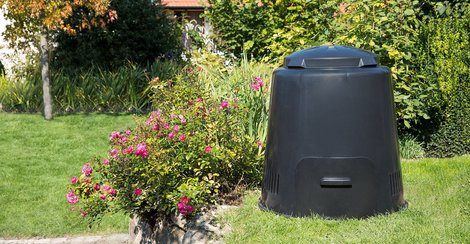
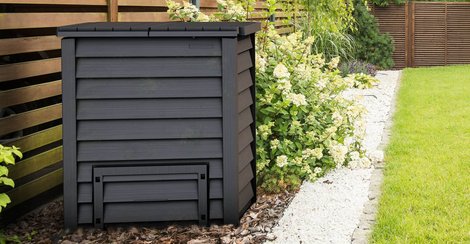
Pruning can be used in two sustainable ways: healthy branches, shrubbery and leaves from pruning can be put in the compost bin – ideally chopped up so that they rot more quickly and keep the compost loose. This creates valuable humus for your beds. Diseased material should not be composted, but disposed of as green waste.
Thick branches, for example from fruit trees, are suitable as the bottom layer in a raised bed. This coarse layer of wood serves as drainage, ensures good aeration and allows excess water to drain away. This prevents waterlogging and creates a stable, healthy raised bed.